Ancient Roots, Modern Mavericks & the Rise of a Wine Nation
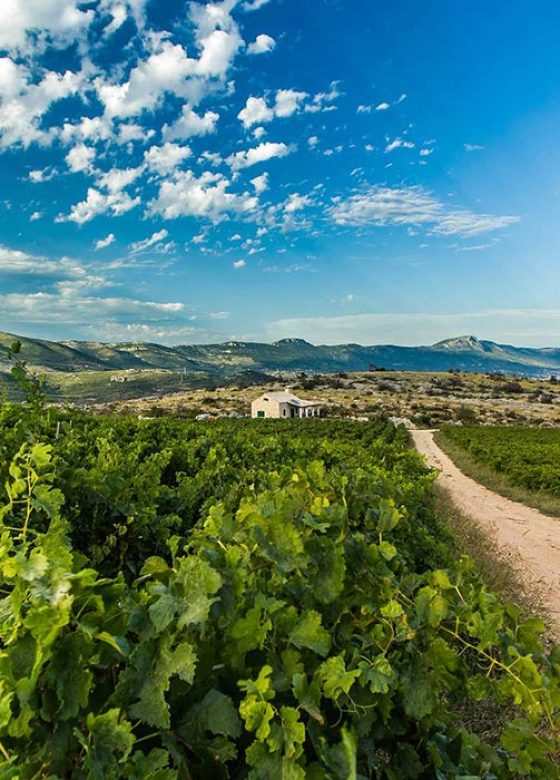
There’s something almost sacred about Croatian vineyards—how they wrap around the hills like ancient prayers, how the wind off the Adriatic whispers secrets through the leaves. Winemaking here isn’t just an industry. It’s a heritage. A quiet rebellion. And now, it’s a renaissance.
For millennia, Croats have coaxed vines from unforgiving soils—rocky cliffs, golden valleys, sunburnt islands. Long before the Romans carved amphorae or Cistercian monks raised glasses in stone cellars, wine was a way of life on this land. And yet, today, that story is being rewritten with a modern pen and ancestral ink.
This is not a trend. This is a return. A rediscovery. And it’s happening vine by vine, bottle by bottle, family by family.
A Land Meant for Vines
Croatia is a natural-born wine country, shaped by a coastline longer than Portugal’s, Mediterranean sun, limestone karst, alpine chill, and continental calm. Stretching across four major wine-growing regions—Dalmatia, Istria & Kvarner, Central Croatia, and Slavonia & Danube—it’s a patchwork of microclimates and indigenous varietals. The diversity here is dizzying, the terroirs so pronounced they feel like characters in their own right.
But geography is only part of the tale.
In the 1990s, the Croatian War of Independence left scars on both land and people. Vineyards were abandoned, wineries burned, traditions paused. And yet, from the ashes, a new generation emerged—not just to restore, but to reimagine.
Galić Winery: Engineering a Golden Future in Vallis Aurea
Tucked in the sun-drenched heart of Slavonia, Galić Winery stands as a symbol of what happens when passion meets precision.
Josip Galić’s story is classic Croatian: a childhood spent helping his grandfather Rudolf tend to vines in Herzegovina, a few thousand liters of family wine bottled for home consumption, and eventually, a return to the roots. What sets Josip apart is his vision. And his refusal to compromise.
In 1970, Josip’s parents bought a vineyard on Požeška Gora. By 2008, Josip had transformed those humble beginnings into a 3,300-square-meter winery in Kutjevo, complete with cutting-edge technology, gravity-fed vinification, and an obsession with Graševina.
Here, in the Golden Valley—where Cistercians once built cellars in the 13th century—Galić crafts wines that blend the scientific and the soulful. His Graševina is crisp, electric, rooted in mineral depth. His reds, often blends of Cabernet Sauvignon, Merlot, and Frankovka, offer structure without losing their sense of place.
But Galić isn’t just making wine. He’s reviving a region.
Kutjevo’s vineyards are once again humming with life. Wine tourism is blooming. And with every bottle, Galić proves that Slavonia isn’t just a footnote—it’s the future.
Markus Franz Ferdinand: Where Babić Becomes Poetry
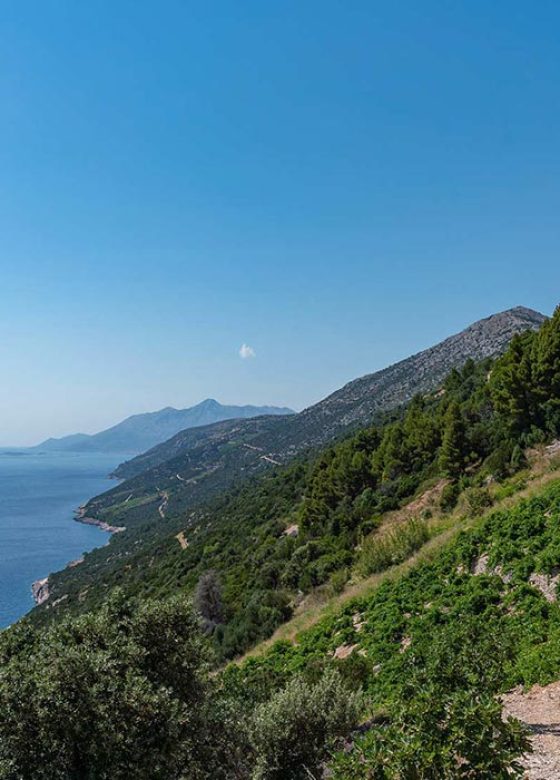
Drive down to Primošten and you’ll find a vineyard like no other—Podgreben. Perched above the sea, stony and sparse, it looks inhospitable. But from this cruel land comes something extraordinary.
Here, the Markus Franz Ferdinand winery cultivates Babić vines planted in 1914—the very year Archduke Franz Ferdinand was assassinated. The vineyard was named to commemorate that event, and a century later, it’s creating one of the most memorable reds in all of Dalmatia.
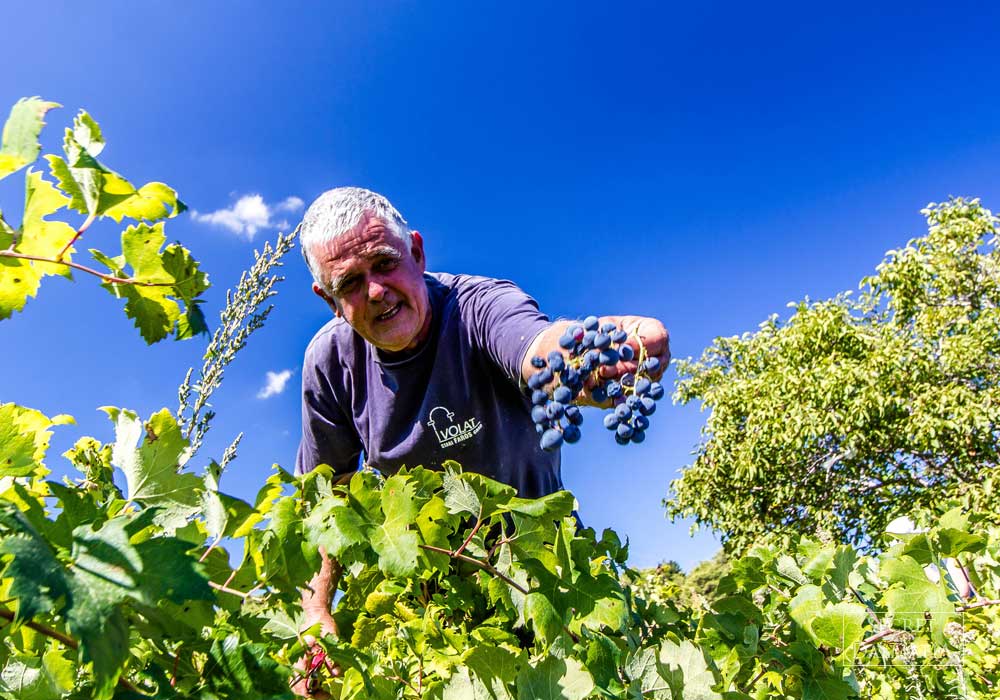
The secret lies in the roots. Deep, gnarled, ancient—they push through karst and fissures, drawing water and minerality from the bones of the earth. The vines yield just 3–4 bunches per plant, a discipline of scarcity that leads to stunning concentration.
The 2017 vintage? A revelation. Described by some as “one of the best wines Dalmatia has ever seen,” it balances power with restraint, ripeness with freshness. Only 300 bottles exist—each a collector’s item, each a time capsule.
But this is more than wine. This is terroir turned into philosophy. This is the Babić grape, misunderstood for decades, now stepping confidently onto the world stage.
Alen Bibić: A War-Torn Vineyard Reimagined
To talk about Croatian winemaking without mentioning Alen Bibić would be like discussing jazz without Miles Davis.
During the war, Bibić’s family vineyards in Skradin were obliterated. For many, that would’ve been the end of the story. But Alen chose the path of resurrection. He re-planted, re-built, and redefined what it means to be a Croatian winemaker.
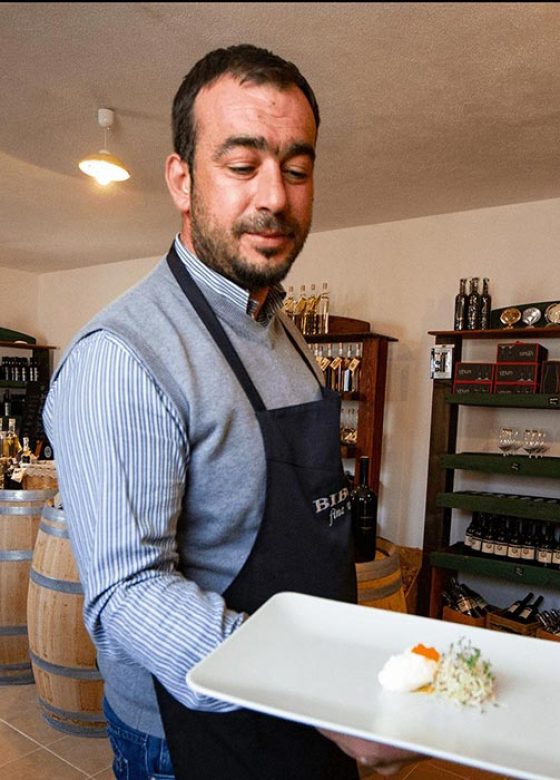
Bibich Winery today is a study in contrasts: ancient varietals like Debit, Lasina, and Plavina processed through minimal intervention and modern philosophy. Alen doesn’t follow rules. He rewrites them.
His Bas de Bas series—crafted from Syrah, Merlot, and Sauvignon Blanc—is made using biodynamic practices and aged in barrique. His traditional reds are rich, earthy, and aromatic. His white blend of Debit and Pošip? Iconic.
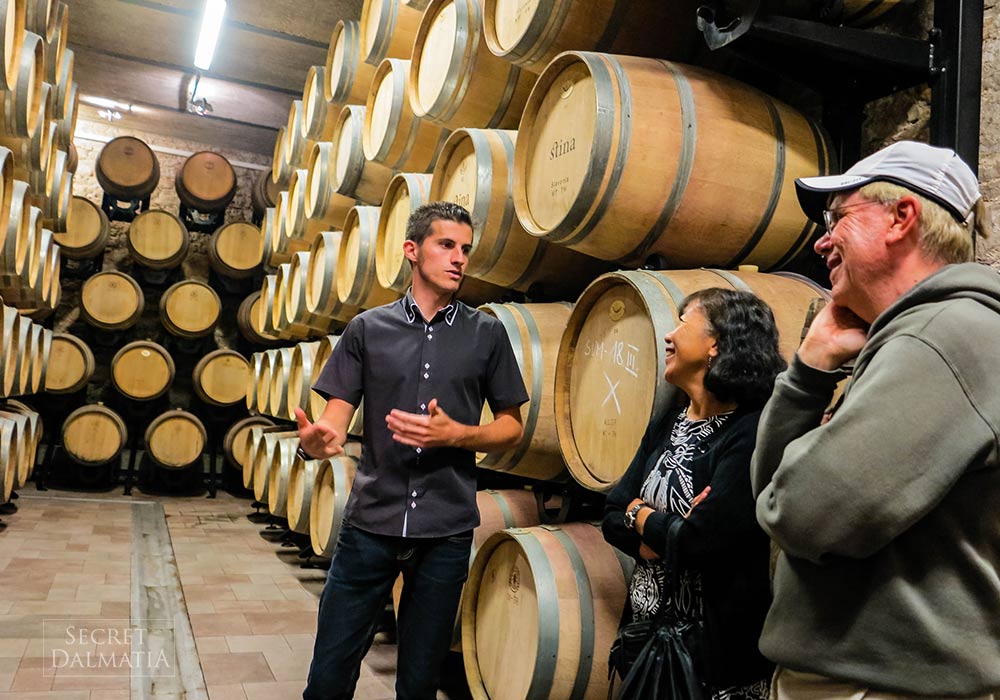
But what truly sets Bibich apart is the experience. Visit the winery in Plastovo and you’re in for more than a tasting. Under the guidance of Vesna Bibić, the wine becomes a meal. A story. A sensory journey.
This is where Anthony Bourdain dined. This is where international chefs pay homage. And yet, it’s still, unmistakably, a family affair.
Vina Carić, Madirazza, Svirče: Islands of Innovation
On Hvar, Vina Carić is challenging norms. Ivo Carić blends Plavac Mali with Bogdanuša and even international varieties—sacrilege to some, brilliance to others. The result is fresh, structured, sun-kissed wines that walk the tightrope between old-school and avant-garde.
On Pelješac, Madirazza continues to guard the legacy of Dingač—Croatia’s first protected wine appellation—while expanding into neighboring Korčula for whites.
And on Hvar, the Svirče cooperative represents a model of shared success. With over 200 members, it’s a testament to community-based winemaking done right.
These producers don’t seek the spotlight. They let the wines do the talking.
The Transatlantic Bridge: Mike Grgich and the Return to Dingač
Miljenko “Mike” Grgich is the godfather of California Zinfandel. But long before his name was toasted in Napa, he was a boy from Dalmatia.
When DNA testing revealed that California’s beloved Zin was actually Crljenak Kaštelanski—a Croatian varietal—everything came full circle. In 1996, Grgich returned home and established Grgić Vina on the Pelješac Peninsula.
His Plavac Mali, grown in the rocky soils of Dingač, echoes the robust intensity that put him on the map. His Pošip from Korčula is pure Adriatic sunshine in a bottle.
Grgich proved what locals have known for centuries: Croatian grapes have something to say. You just have to listen.
Osijek-Baranja: From Overlooked to Center Stage
The announcement that Osijek-Baranja would become the 2025 European Wine Capital didn’t surprise those in the know. This is Graševina’s homeland. This is the home of Feričanci’s cool-climate reds, Erdut’s cliffside cellars, Đakovo’s baroque charm, and Baranja’s full-bodied warmth.
This is continental Croatia rising—refined, robust, and ready.
A Taste of the Future, Rooted in the Past
The renaissance of Croatian winemaking isn’t just about better bottles. It’s about reclaiming identity. About taking indigenous grapes like Babić, Plavac Mali, Graševina, Pošip, Teran, and Lasina—and treating them like the royalty they are.
It’s about making wine that isn’t trying to be French, or Italian, or Californian—but unapologetically Croatian.
It’s about honoring the people who tended vines during war, drought, isolation, and economic uncertainty. And it’s about showing the world that this little nation, draped along the Adriatic, has always had greatness in its glass.
So pour yourself a sip. Let the sunshine of the Pelješac or the frost-kissed breath of Slavonia swirl across your tongue.
Croatia is not an emerging wine country.
It’s an ancient one, just now being rediscovered.
Sip, Stay, Savor: Croatia’s Unmissable Wine Experiences
- Bibich Winery, Plastovo (Dalmatia)
Why go: Anthony Bourdain’s pick for a reason. A tasting here is not a formality—it’s theater, poetry, and love on a plate.
Pair with: Debit with white anchovies or Vesna Bibić’s signature duck breast with cherry reduction.
Don’t miss: The full-course wine-paired lunch. Reserve in advance—it’s intimate and unforgettable. - Galić Winery, Kutjevo (Slavonia)
Why go: Croatia’s most high-tech winery nestled in its most historic valley. Innovation meets soul.
Pair with: Graševina and creamy Slavonian goat cheese, or a robust red with wild game.
Don’t miss: A walk to the Cistercian abbey ruins nearby. You’ll feel time slow down. - Markus Franz Ferdinand, Primošten (Dalmatia)
Why go: To see vines that have survived two world wars and still produce one of Croatia’s most coveted reds.
Pair with: A slow afternoon, a sea breeze, and a glass of Babić 2017. You won’t need anything else.
Don’t miss: The story of the vineyard’s origin—it’s like drinking from history. - Bike & Dine Tour with Mario Bartulović, Pelješac
Why go: Ride through the kingdom of Plavac Mali with a passionate winemaker as your guide.
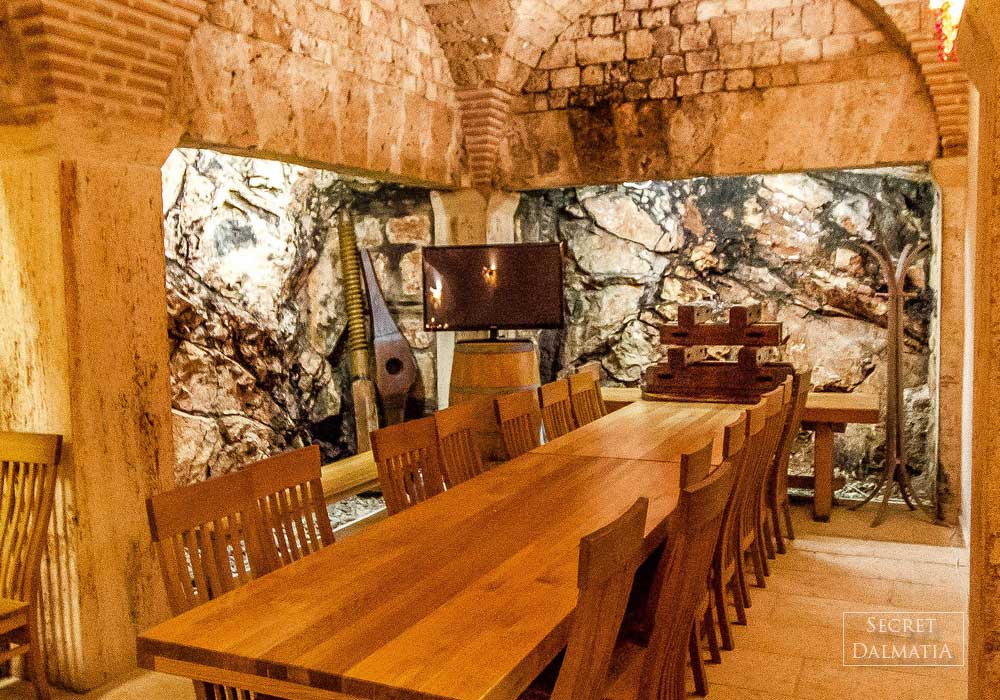
Pair with: Dingač with grilled lamb under the peka bell, served by Mario’s mother in their 500-year-old cellar.
Don’t miss: The view from Kuna Pelješka and the cellar stop at Napa legend Mike Grgich’s Croatian estate. - Grgić Vina, Trstenik (Pelješac)
Why go: The Croatian home of the man who beat the French at their own game in 1976’s “Judgment of Paris.”
Pair with: Pošip and oysters from Mali Ston Bay—two Adriatic icons in one bite.
Don’t miss: Their cliffside terrace at sunset. Bring your camera and your silence. - Carić Wines, Hvar Island
Why go: The quiet genius of Ivo Carić is found in every experimental blend and bold interpretation.
Pair with: Jubo’v red with lamb skewers at a seaside konoba in Stari Grad.
Don’t miss: Their Plovac Ploški—a modern take on the noble Plavac Mali grape. - Wine Routes of Baranja and Erdut (Osijek-Baranja County)
Why go: Soon to be Europe’s wine capital, and still blissfully under-the-radar.
Pair with: Cool-climate Pinot Noir or Graševina with paprika-laced freshwater fish.
Don’t miss: Erdut’s barrel—the largest oak wine barrel in use in the world.