Savoring Croatia: A Journey Through Her Finest Wine Regions
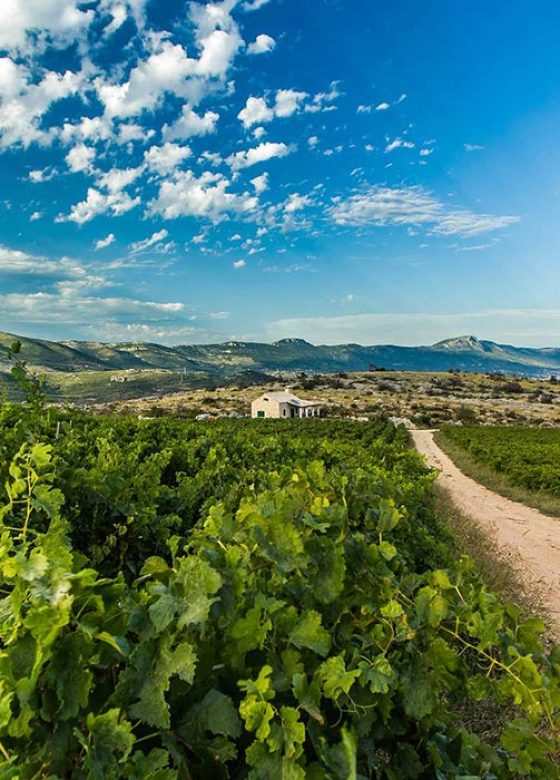
From sun-drenched coastal vineyards to misty hillside terraces, Croatia’s wine country is a storybook come to life. Divided into four distinct wine regions—Istria & Kvarner, Dalmatia, Slavonia & the Croatian Danube, and the Croatian Uplands—this diverse land offers a sensory journey through terroir, tradition, and an ever-evolving winemaking culture.
Let’s raise a glass and explore the flavors, places, and passionate people behind Croatia’s most compelling wines.
Istria & Kvarner: A Mediterranean Mosaic of Wine, Sea & Stone
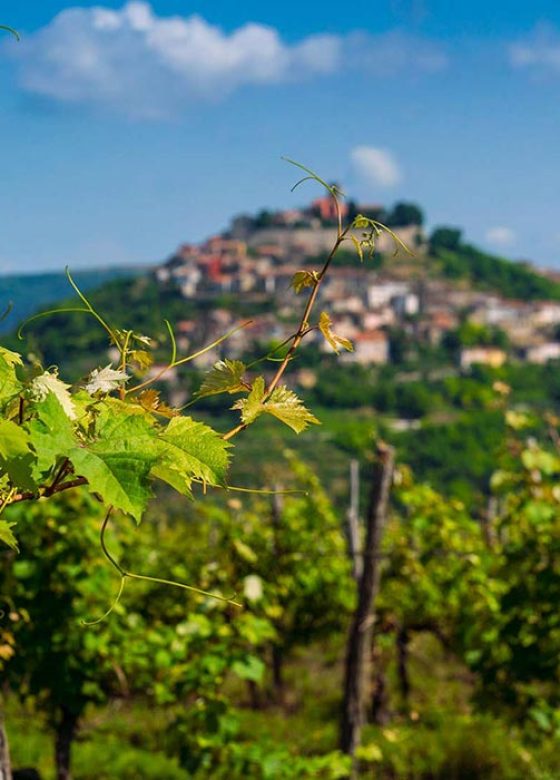
Welcome to Istria, Croatia’s sun-kissed peninsula where vineyards tumble toward the sea, hilltop towns bask in golden light, and every glass of wine tells a story steeped in centuries of tradition. Often likened to Tuscany—but proudly its own—Istria is one of the top wine regions in Croatia, and an essential destination for any traveler with a taste for the good life.
A Terroir Carved by Wind and Sea
Bordered by Slovenia and Italy and cradled by the Adriatic, Istria’s climate is a dream for viticulture. Here, breezes roll down from the Alps, tempering the Mediterranean warmth, and slowing the ripening season just enough to craft crisp, balanced wines. The soils are equally storied—from iron-rich red clay near the coast to chalky marl inland—giving Istria a terroir as diverse as its culture.
The adjacent Kvarner region, with its sun-drenched islands and coastal charm, is often grouped with Istria, and for good reason. Together they form a Mediterranean tapestry of microclimates and grape varieties—each more intriguing than the last.
Malvazija & Teran: The Soul of Istria in a Glass
Istria is white wine country, and its crown jewel is Malvazija Istarska, a grape as expressive as the land that nurtures it. Expect fresh citrus, wildflowers, almond bitterness, and a clean minerality that pairs effortlessly with Istrian seafood or a plate of handmade fuži with truffles.
For red wine lovers, Teran is the brooding, earthy heart of Istria. Bold, peppery, and full of dark berry fruit, Teran finds its soulmate in aged cheese, game dishes, and the region’s rustic soul.
In Kvarner, don’t miss Žlahtina—a rare, delicate white grown almost exclusively on the island of Krk. Light, zesty, and born for sunny afternoons, it’s a secret worth seeking out.
Wineries You’ll Want to Linger At
Kozlović Winery (Valle near Buje)
Where sleek modern architecture meets timeless views. Kozlović is Istria’s gold standard for Malvazija and also excels at rich Terans and sweet Muscats. Tasting on their glass-walled terrace overlooking vineyards is an experience unto itself.
Kabola Winery (Momjan)
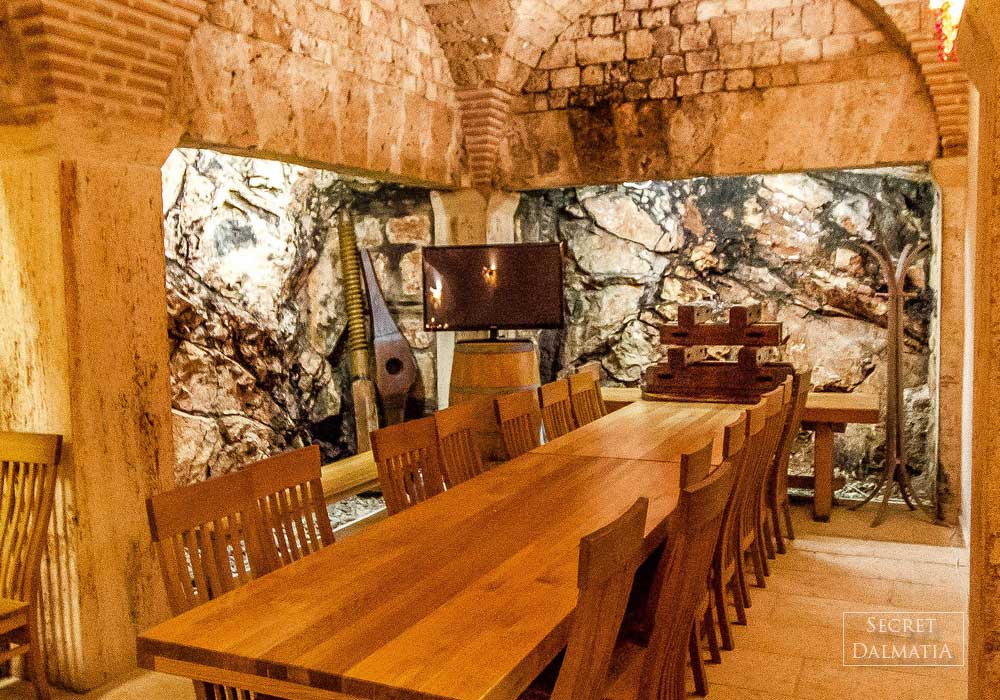
If ancient winemaking rituals intrigue you, head to Kabola, where clay amphorae are buried in the earth to produce stunning “orange” wines. The scenery—rolling hills, olive groves, and a stone cellar—is as layered as the wines.
Benvenuti Winery (Kaldir near Motovun)
A boutique gem that embraces indigenous grapes with elegance and restraint. Their sweet Muscat San Salvatore won international acclaim, but it’s the view from their tasting room that may steal your heart first.
Roxanich Winery & Wine Hotel (Motovun)
Where natural winemaking meets avant-garde design. Stay the night, dine by candlelight, and sip long-aged cuvées that challenge and charm the palate in equal measure.
Travel Notes
The best time to visit Istria’s vineyards is from late spring through early autumn, when the countryside bursts with color and many wineries host special tastings and events. Be sure to rent a car or book a private guide to fully explore the winding wine roads that crisscross the peninsula.
From sun-drenched coastal vineyards to misty hillside terraces, Croatia’s wine country is a storybook come to life. Divided into four distinct wine regions—Istria & Kvarner, Dalmatia, Slavonia & the Croatian Danube, and the Croatian Uplands—this diverse land offers a sensory journey through terroir, tradition, and an ever-evolving winemaking culture.
Let’s raise a glass and explore the flavors, places, and passionate people behind Croatia’s most compelling wines.
Dalmatia: Where Sun, Stone & Plavac Mali Collide
Some regions sip wine. Dalmatia drinks it with the full-bodied passion of its sun, sea, and stone. From sun-drenched islands to terraced vineyards clinging to coastal cliffs, Dalmatia offers a winemaking landscape as dramatic as its Adriatic vistas. It is one of the top wine regions in Croatia, and for lovers of bold reds and ancient traditions, this is sacred ground.
A Landscape Forged by Salt and Heat
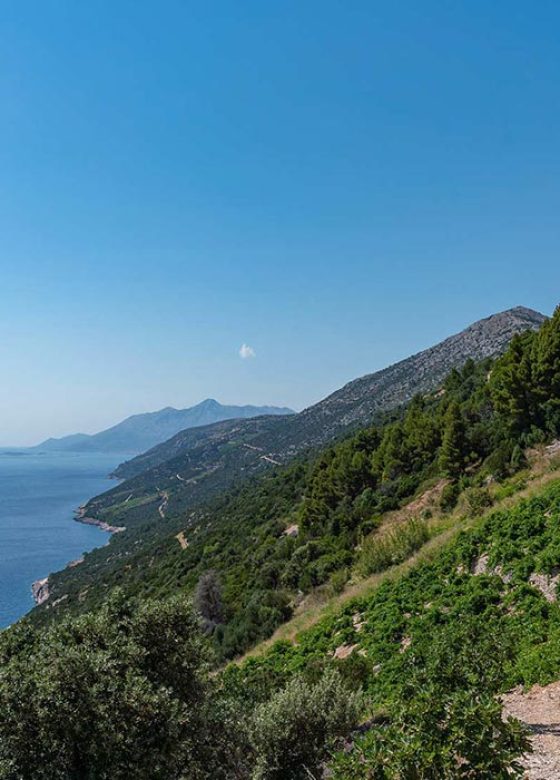
<p”>Dalmatia stretches along the Dalmatian coast from Zadar to Dubrovnik, unfurling into a patchwork of rugged mountains, karst valleys, and island vineyards. This is a place where grapevines lean toward the sea and roots dig deep into unforgiving limestone. Sunlight is plentiful, rain is rare, and the wind – the ever-present bura and jugo – shapes both land and life.
The Pelješac Peninsula and islands like Hvar, Brač, Korčula, and Vis are home to some of Croatia’s most distinctive microclimates, where extreme conditions give rise to equally intense wines.
Plavac Mali: The King of the Coast
Dalmatia’s calling card is Plavac Mali, the powerful, sun-soaked red grape that reigns supreme along the southern coast. Genetically linked to Zinfandel and known for its inky depth, Plavac Mali delivers bold flavors of black cherry, dried fig, Mediterranean herbs, and salty minerality. It thrives on the steep slopes of Dingač and Postup, where vineyards practically dive into the sea, and its wines are muscular, age-worthy, and deeply evocative of place.
For white wines, Pošip (born on Korčula) offers a more refined experience—ripe stone fruit, almond, and citrus zest in a full-bodied frame, often with a whisper of oak. And if you seek something rare, seek out Grk, a golden wine grown in sandy Lumbarda soils, with floral aromas and a saline finish that whispers of waves and wind.
Wineries You’ll Want to Remember
Grgić Vina (Trstenik, Pelješac)
Founded by legendary Napa Valley winemaker Mike Grgich, this is where Croatian roots meet global fame. Sample Pošip and Plavac Mali on a seaside terrace, with the vineyards and the Adriatic stretching to infinity.
Korta Katarina (Orebić, Pelješac)
Elegance meets Dalmatian soul at this luxury wine estate. With high-end accommodations, polished tastings, and exceptional wines—especially their structured Plavac Mali—this is wine tourism at its finest.
Bire Winery (Lumbarda, Korčula)
A family-run gem where you can taste the elusive Grk grape at its source. Rustic, intimate, and honest, Bire Winery invites you to sip wine where the grapes grow, surrounded by sea and sand.
Edivo Vina – Underwater Winery (Drače, Pelješac)
Wine aged in amphorae beneath the sea? Yes, please. At Edivo, you can taste their barnacle-encrusted bottles—or even dive down to see them. A sensory adventure that’s part myth, part science, and all Dalmatia.
Other unforgettable stops include:
Miloš Winery (Ston) – Masters of organic Plavac Mali.
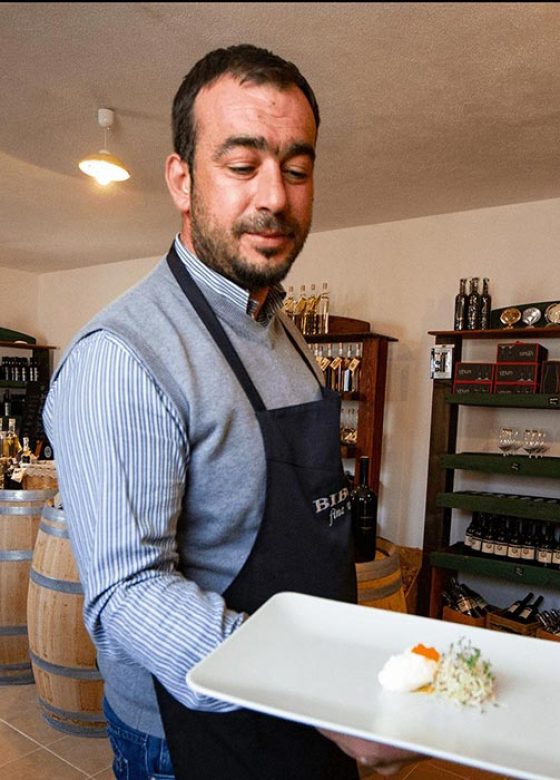
Bibich Winery (Skradin) – Avant-garde pairings in a region steeped in history.
Tomić Winery (Hvar) – Classical reds served in a Romanesque tasting hall.
Travel Notes
Visit in May through October for the best weather and winery access. Combine tastings with beach stops, medieval towns, and rustic taverns serving peka and fresh-caught fish. Dalmatia’s wine trails are a natural extension of its tourism, making it easy to sip your way along the coast.
Slavonia & the Croatian Danube: A White Wine Wonderland with Royal Roots
In the golden embrace of Croatia’s northeastern plains lies a region where the rhythm of life slows, where the land rolls gently toward the Danube, and where winemaking is less a trend than a legacy. Slavonia and the Croatian Danube may not boast seaside drama or island mystique, but for lovers of white wines with soul, this is sacred terrain—an essential stop among the top wine regions in Croatia.
A Landscape Steeped in Time and Tradition
From the misty vineyards of Kutjevo to the storybook hills of Baranja, Slavonia’s wine country unfolds with quiet grace. Here, the climate is continental: hot summers, snowy winters, and wide swings between day and night temperatures that coax complexity from the grapes.
Volcanic subsoil, rich loam, and sandy Danube riverbanks provide a fertile stage for vines to thrive. And let’s not forget the forests—Slavonian oak is prized by winemakers worldwide, aging wines from Bordeaux to Barolo. In Slavonia, they use it at home too, crafting local whites with a uniquely gentle, spicy nuance.
Graševina: The Signature Whisper of the East
No grape speaks the local dialect of Slavonia like Graševina. Known elsewhere as Welschriesling (though unrelated to Riesling), here it is reborn—fresh and green-apple crisp when young, but capable of surprising depth when grown on low-yield slopes or late-harvested.
From dry and mineral to noble-rot dessert wines, Graševina wears many hats. And then there’s Traminac—Gewürztraminer’s Croatian cousin—fragrant, honeyed, and once poured at Queen Elizabeth II’s coronation. In these sun-dappled vineyards, even the everyday wines have a touch of royalty.
Red grapes like Frankovka (Blaufränkisch) and Portugizac bring soft tannins and cherry spice, rounding out the region’s offerings with grace and approachability.
Wineries That Weave Old-World Stories
Iločki Podrumi (Ilok)
Once the preferred cellar of the Austro-Hungarian court, Ilok’s wine legacy is as grand as its baroque facades. Tour the 15th-century stone cellars, taste the Traminac that made its way to Buckingham Palace, and feel the pulse of history in every glass.
Kutjevo Winery (Kutjevo)
Founded by monks in 1232, Kutjevo is the beating heart of Slavonian winemaking. Legend has it that Empress Maria Theresa once had a romantic tryst in the cellar here—today, you can toast to that with their benchmark Graševina or a silky Pinot Noir.
Krauthaker (Kutjevo)
A boutique estate that punches far above its weight. From skin-contact Graševina to luscious ice wines, Krauthaker showcases the full palette of Slavonia’s terroir. Tastings are intimate, informative, and deeply rewarding.
Belje Winery (Baranja)
A modern winery with deep roots. Belje sits atop a hill overlooking the Danube, its cellars dug into ancient limestone. Expect award-winning Graševina and Frankovka, and pair them with regional delicacies like smoked paprika sausage or wild game pâté.
Don’t miss a wander through the charming “wine street” of Zmajevac, where dozens of old cellars (known as gators) line the hillside like hobbit homes built for wine lovers.
Travel Notes
Slavonia is best explored between April and October, when the vines are green and the cellars welcoming. Harvest festivals in September bring live music, food stalls, and wine tastings galore. A rental car is essential—distances are wide, but the countryside rewards every turn.
This is a region for the curious, for those who seek to go beyond the coast and uncover the timeless, authentic Croatia. Here, hospitality is generous, and the wines—though often humble—carry the wisdom of centuries.
The Croatian Uplands: Sparkling Wines & Alpine Grace in the Hills Above Zagreb
Not all great wine comes from sun-drenched coastlines or royal cellars. Some of Croatia’s most surprising and expressive wines are born in the gentle green hills just north of Zagreb, where altitude, cooler air, and centuries-old family vineyards converge. This is the Croatian Uplands, a place of quiet refinement, and the final gem in our journey through the top wine regions in Croatia.
A Region of Elevation and Elegance
The Uplands encompass Hrvatsko Zagorje, Moslavina, Plešivica, and Međimurje—a patchwork of highland vineyards stretching from the Slovenian border to the Kupa River valley. Here, the climate is cool and wet, the growing season shorter, and the harvests later. But what might be a challenge elsewhere is a gift here: high natural acidity, delicate aromatics, and a terroir perfectly suited for white and sparkling wines.
Rolling hills, limestone soils, and clean mountain air create conditions reminiscent of Champagne or the Styrian hills of Austria. And yet, this region is unmistakably Croatian—grounded in small-scale, sustainable farming and generations of family know-how.
Škrlet, Pušipel & Sparkling Stars
The Uplands are defined by white wine, and lots of it. International varieties like Riesling, Sauvignon Blanc, Chardonnay, and Pinot Gris thrive here, yielding crisp, aromatic wines with bright acidity and clean fruit.
But it’s the local grapes that steal the show.
- Škrlet, native to Moslavina, is a zesty, herbaceous white that’s finally getting its moment in the spotlight.
- Pušipel (also known as Moslavac or Furmint) is Međimurje’s signature grape, capable of everything from dry, linear whites to late-harvest sweets worthy of Tokaj.
- And let’s not forget Kraljevina, a light, easy-drinking variety from near Sveti Ivan Zelina—often the first wine locals reach for on a sunny afternoon.
In recent years, Plešivica has emerged as Croatia’s sparkling wine frontier. Winemakers here have embraced the traditional method, producing bottle-aged sparklers that have drawn comparisons to Champagne—fine bubbles, nuanced flavors, and exceptional aging potential.
Wineries That Elevate the Everyday
Tomac Winery (Plešivica)
A benchmark producer for both sparkling and skin-contact wines. The Tomac family combines traditional method bubbles with ancient Georgian qvevri fermentation for their amber wines. Their cellar is filled with riddling racks, wild ferments, and a passion that’s impossible not to taste.
Bolfan Vinski Vrh (Zagorje)
Perched atop a hill north of Zagreb, Bolfan is a biodynamic estate with soul. Their Rieslings and Sauvignons are mineral and pure, while their tasting room—surrounded by forest and vineyard—offers a tranquil setting for food and wine pairings rooted in the land.
Voštinić-Klasnić (Moslavina)
The champions of Škrlet. This progressive winery reimagines what this indigenous grape can be: from crisp and youthful to oak-kissed and complex. Their sleek tasting room and warm hospitality make them a must-visit stop just an hour from Zagreb.
Međimurje Wine Road (Međimurske Vinarije)
A collection of boutique family wineries—like Štampar, Jakopić, Lovrec—all celebrating Pušipel in its many forms. Expect warm welcomes, panoramic terraces, and glasses full of character. Autumn, when the hills turn gold, is especially magical here.
Travel Notes
The Uplands are perfect for a day trip from Zagreb or a relaxed weekend among vineyards, castles, and spa towns. Visit in spring or early fall for the clearest skies and best tasting conditions. Wine festivals like Urbanovo in Međimurje or Portugizac Days in Samobor offer a festive glimpse into local culture.
And speaking of Portugizac—this playful red is bottled and released young each fall, much like Beaujolais Nouveau. It’s light, fresh, and deeply rooted in the rhythms of the harvest season.
The Journey’s End—Or Just the Beginning?
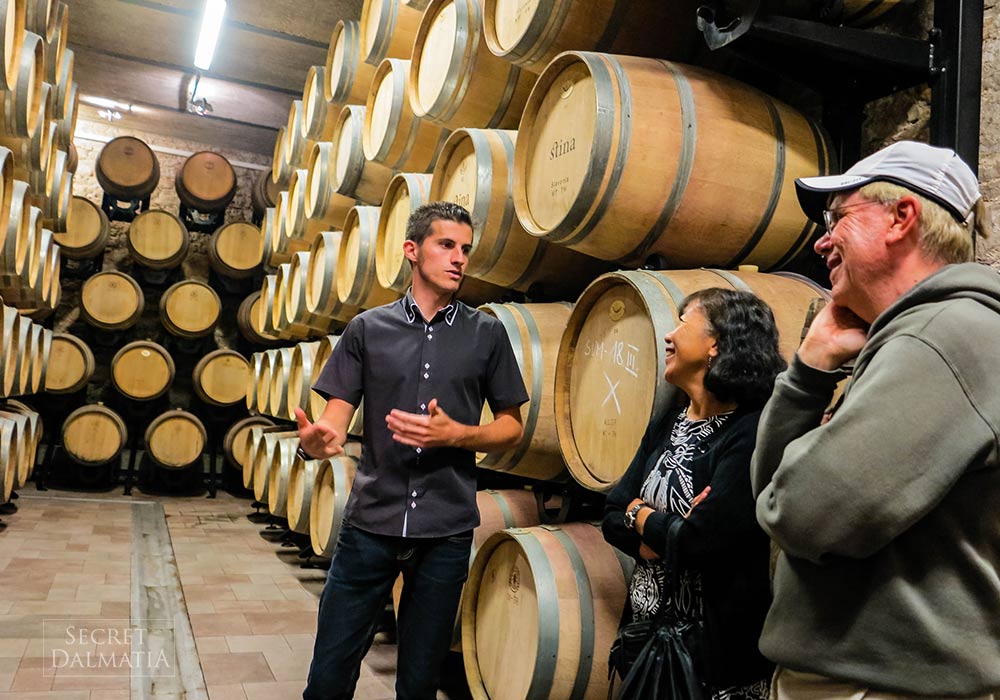
From the amber hills of Istria to the underwater cellars of Pelješac, from baroque vaults in Ilok to qvevri wine above Zagreb, exploring the top wine regions in Croatia isn’t just about tasting—it’s about connecting to a country through its soil, seasons, and stories.
Each region offers a world of flavors. Each winery opens a door to heritage, hospitality, and heart.
And the best part? You don’t need to be an expert—just curious, open, and thirsty for discovery.