A Journey Through the Native Vines of the Adriatic
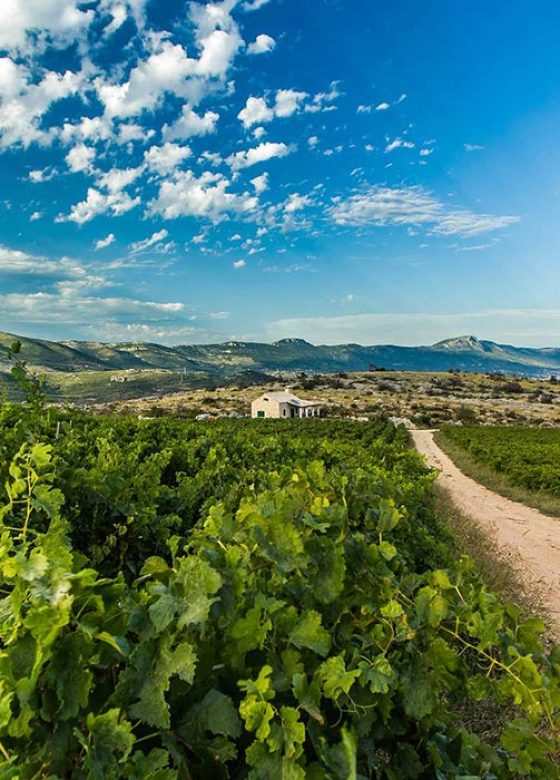
Croatia is a country where stone and vine have long shared the same breath—where vineyards cling to ancient terraces, kissed by sun and sea breeze, and each grape variety tells the story of a specific soil, a specific village, a specific heartbeat of the land.
For travelers who care not just what’s in the glass, but where it came from and who poured it, exploring Croatia through its indigenous wine grapes is a journey into the country’s living soul. With over 130 native varieties—many of them found nowhere else in the world—Croatia offers a wine landscape as diverse and surprising as its coastline, islands, and inland hills.
From the sun-baked slopes of Dalmatia, where bold Plavac Mali digs deep into karst rock, to the gentle limestone terraces of Istria, where golden Malvazija sings of spring herbs and acacia blossom, these are not just wines. They are voices. Whispered or roaring, they carry centuries of tradition and the quiet innovation of winemakers who know they are working with something rare.
This guide uncorks the essence of Croatia’s most emblematic indigenous grapes—starting with the whites, crisp and coastal, then moving into the reds, dark and dramatic. We’ll explore the regions that shaped them, the winemakers who champion them, and the cultural touchpoints that make each bottle more than just a drink—it’s a postcard from the past and a toast to the future.
If you’ve ever dreamed of tasting the Adriatic sun, the mountain wind, or the salt of the soil, you’ll find it here. In these grapes. In this land.
Let’s raise a glass to the ones who planted, the ones who preserved, and the travelers who are ready to listen.
White Grapes
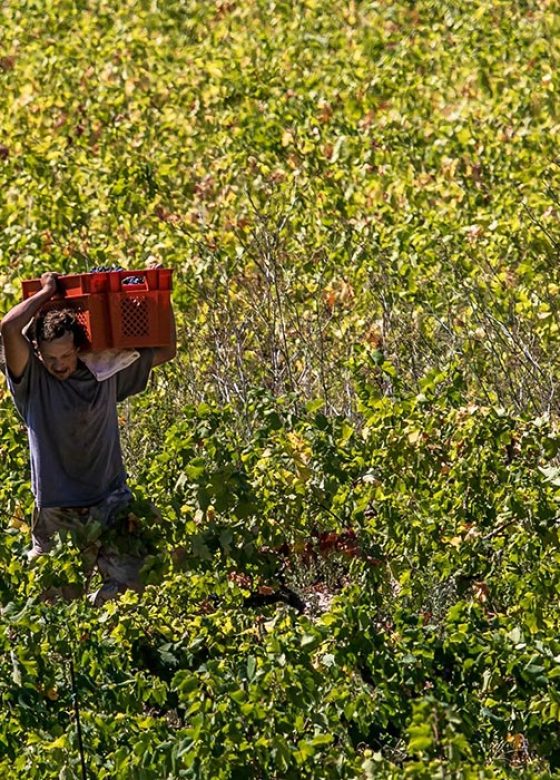
From windswept island terraces to the truffle-scented hills of Istria, Croatia’s native white grapes reflect the country’s dazzling terroir and deep-rooted winemaking heritage. These are wines shaped by limestone, salt air, and centuries of quiet cultivation. Whether crisp and mineral or lush and aromatic, each white variety tells a story of place—of coastlines, karst soils, and hands that know when to harvest by heart.
Here are the whites that define Croatia’s character, glass by glass.
Malvazija Istarska
The Golden Queen of Istria
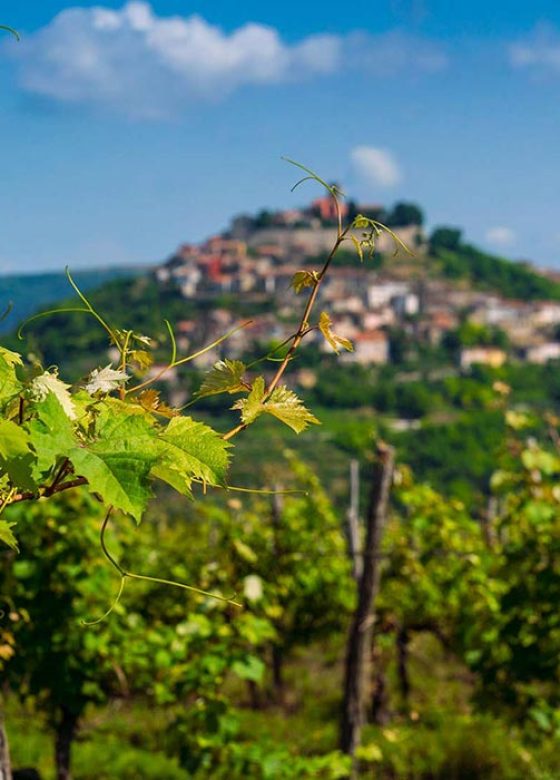
In the sun-kissed hills of Istria, where medieval towns perch above red earth and truffle-scented oak forests, Malvazija reigns supreme. This is not just a grape — it’s a regional icon. Grown across the peninsula, from the limestone slopes of Višnjan to the clay-rich terraces of Motovun, Malvazija Istarska produces elegant, floral whites with a kiss of Mediterranean salt and a whisper of almond bitterness.
The classic expression is dry and medium-bodied, fragrant with acacia blossoms, white peaches, and ripe apricots. But Istria is never content with just tradition: modern winemakers experiment freely, crafting everything from stainless-steel crispness to amber-hued macerated masterpieces aged in amphora. Some Malvazija wines are bright and zesty, perfect with local sea bream or fuži with truffles, while others feel like sipping history itself.
Malvazija’s story stretches back to 1385, and while its name hints at ancient Venetian trade routes and possible Greek cousins, DNA research confirms: this Malvazija is uniquely Istrian. It’s not imported—it’s inherited.
Where to Taste:
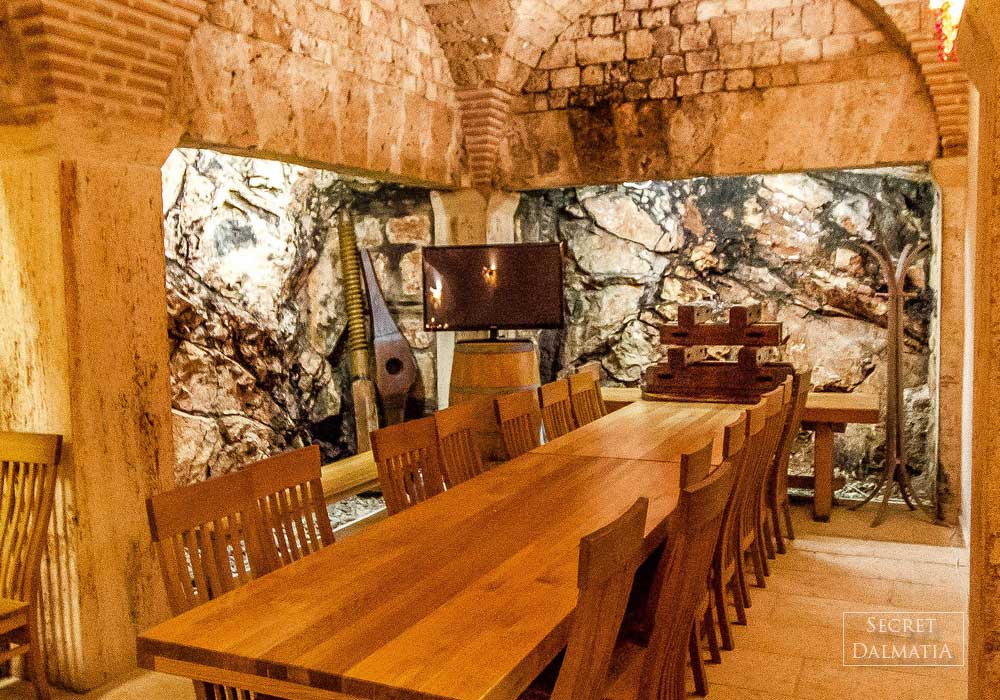
Kozlović and Benvenuti offer benchmark examples, but for something special, try Kabola’s amphora-aged Malvazija or Clai’s natural wine versions in a rustic stone cellar. Visit in spring for the Vinistra festival, when all of Istria pours its heart into a glass.
Pošip
Dalmatia’s Island-born Classic
Born among the terraced vineyards of Korčula—more precisely in Smokvica and Čara—Pošip is Croatia’s first officially protected white grape. And it deserves every accolade. If you’re dreaming of a golden-hued white to sip while watching the sun sink into the Adriatic, this is it.
Pošip is expressive and robust. Expect aromas of dried figs, ripe pears, and citrus zest, with just enough coastal salinity to remind you of its island roots. It’s often medium to full-bodied with an alcohol punch, but the bright acidity keeps it fresh. Barrel-aged versions layer in vanilla, spice, and toasted almond.
Korčula still makes the most distinctive Pošip—chalky soils and sea breeze give the wines a savory finesse—but you’ll find newer vineyards thriving on the Pelješac Peninsula and mainland Dalmatia too.
Where to Taste:
Start with Krajančić’s Pošip “Intrada” for an elegant island classic, or sip a Marco Polo-labeled Pošip in Čara where the grape was born. For a deeper cut, Grgić Vina—founded by Napa legend Mike Grgich—crafts a beautiful mainland expression in nearby Trstenik.
Grk
The Enigmatic Gem of Lumbarda
With a name that simply means “bitter” in Croatian (don’t worry—it’s not), Grk is the grape of Lumbarda on Korčula’s sandy shores. And that’s pretty much the only place you’ll find it. This wine is a rare treasure.
Grk’s intrigue lies not only in its saline elegance and notes of candied citrus, melon, and Mediterranean herbs—but in its biology. It’s a female-only vine, needing a “companion” like Plavac Mali nearby to pollinate. The vineyards, with alternating rows of Grk and Plavac, look like agricultural poetry.
The wine itself? Dry and aromatic with a distinct savory-mineral finish that pairs beautifully with grilled fish, oysters, and salt-baked seabass. For wine lovers, it’s a revelation. For travelers, it’s a destination in itself.
Where to Taste:
Head to Bire Winery in Lumbarda for a bottle that defines Grk’s potential. Or try Zure’s “Bartul” label for a fruitier take. Production is tiny, so if you see a bottle—don’t think, just order it.
Vugava
Sun-Soaked and Seductive from the Island of Vis
Vugava (say: VOO-gah-vah) is an ancient grape grown for over 2,000 years on Vis—an island that feels like another world. Some say the Romans loved it. Others say it’s older still. One thing is certain: Vugava is pure golden pleasure.
Ripe stone fruit, honeycomb, baked pear, and dried herbs swirl together in a full-bodied white that’s low on acidity but high on charm. It can taste almost sweet, even when bone dry, thanks to its natural richness. Imagine Viognier’s Dalmatian cousin—with a wild side.
It thrives in the rocky heat of Vis but needs careful handling to avoid flabbiness. The best examples are harvested early and retain just enough freshness to balance the fruit.
Where to Taste:
Lipanović Winery is the island’s Vugava authority, while Vislander offers a broader range of modern styles. For a mainland nod, try Stina’s version from Brač. But for the real deal, sip Vugava in Komiža with a plate of viška pogača.
Debit
The Everyday White That Locals Love
Debit might not be flashy, but it’s honest. A dry, clean, citrus-driven white from the sun-baked fields of northern Dalmatia, it’s the kind of wine you drink by the liter at a seaside konoba, chilled and poured with no fuss.
This grape once paid taxes (locals say they settled their “debit” in wine), and its light, refreshing style makes it ideal for long lunches of grilled sardines, blitva, and laughter. It’s not complex, but that’s the point—Debit is summer simplicity in a glass.
In the right hands, it can be surprisingly nuanced. Some winemakers are pushing the boundaries, crafting amber versions with skin contact, or aging it sur lie to bring out texture and spice.
Where to Taste:
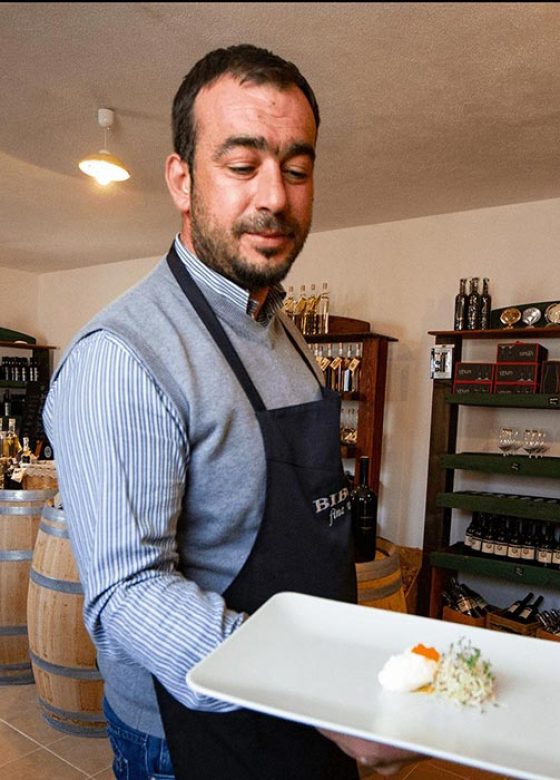
Bibich Winery near Skradin is reimagining Debit with both fresh and macerated styles. Try the “R5” label for something unexpected. Baraka Winery and Royal Vineyards near Zadar offer crisp, coastal expressions.
Žlahtina (Bonus Grape)
Light and Breezy from the Island of Krk
Rarely found outside the island of Krk, Žlahtina is light, citrusy, and impossibly easy to drink. Often just 11% ABV, it’s the ideal wine for hot summer afternoons and fresh Adriatic seafood.
The name comes from the Slavic word for “noble,” and while it’s a humble wine, Žlahtina feels like a nod to simpler times. Low alcohol, clean lines, and a whisper of green apple and wildflowers make it a charming detour on any Kvarner visit.
Where to Taste:
Visit the village of Vrbnik and look for labels from PZ Vrbnik or Šipun. Drink it with sheep cheese and anchovies—and take in the view over the sea.
Red Grapes
If Croatia’s white wines speak in the voice of the sea breeze, its reds come from the stone—deep, sun-soaked, and full of fire. These are wines born on terraced slopes where vines battle the elements and roots push through rock to find life. Grown in some of the country’s most dramatic landscapes—from the iron-rich soils of inland Istria to the steep, craggy vineyards of Dalmatia—Croatian red grapes carry the weight of centuries and the wildness of their surroundings.
They’re bold, rustic, soulful—built for lamb roasted under the bell, for late summer evenings, and for travelers who appreciate a wine with a backbone and a story. These are the reds that define the land, in every textured, powerful sip.
Plavac Mali
The King of Croatian Reds
Bold, untamed, and born from stone and salt, Plavac Mali is Croatia’s most iconic red grape. Translating to “little blue,” this grape yields powerful, structured wines that taste like the Dalmatian coast itself—sun-drenched, herbal, and wild.
On the nose: ripe black cherries, dried figs, carob, and a touch of Mediterranean garrigue. On the palate: rich, full-bodied wines with high alcohol, grippy tannins, and a savory streak that speaks of dry limestone soil and sea spray. It’s often compared to Zinfandel (for good reason—it’s a genetic child of Zinfandel’s Croatian ancestor, Crljenak Kaštelanski), but Plavac Mali is more rustic, more complex, and more Croatian.
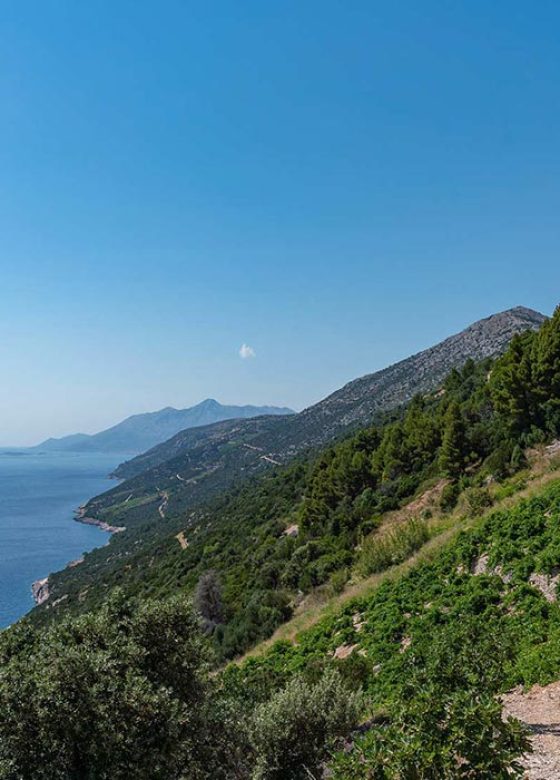
Its finest expressions come from the steep slopes of the Pelješac Peninsula—Dingač and Postup above all. These are heroic vineyards: terraced into near-vertical cliffs, battered by sun and sea, and still worked by hand.
Where to Taste:
Try Dingač from Bura, Matuško, or the Dingač Cooperative for the classic profile. For finesse and age-worthiness, Zlatan Otok’s “Grand Cru” or Miloš “Stagnum” offer haunting depth. On Hvar, visit Tomić or Duboković for more aromatic takes with floral and spicy notes. Wherever you try it, let the wine breathe—and let it tell its story.
Teran
Istria’s Iron Fist in a Velvet Glove
In the northern reaches of Croatia, where truffles hide beneath ancient oaks and olive trees dot red clay hills, Teran thrives as Istria’s bold red soul. This ancient grape—recorded here since the 14th century—produces intensely colored, vibrantly acidic wines with a signature mineral streak locals poetically describe as “a taste of blood.”
Teran is medium to full-bodied with flavors of black cherry, forest berries, and peppery spice, laced with wild herbs and that unforgettable iron tang. High acidity makes it ideal for pairing with rich Istrian fare—think wild boar stew, aged sheep cheese, or truffle sausage.
Modern winemaking has softened Teran’s edges without losing its character. It’s still brash and bold, but now with polish.
Where to Taste:
Start with Coronica’s Gran Teran—elegant and powerful. Benvenuti’s “Santa Elisabetta” is a benchmark wine, showcasing the grape’s finesse. For a more traditional, rustic take, visit a countryside konoba near Buje or Motovun, where Teran is poured from barrels and paired with a hearty meal.
Crljenak Kaštelanski (Tribidrag / Original Zinfandel)
The Rediscovered Patriarch
Long before California crowned Zinfandel its signature red, Crljenak Kaštelanski grew in the vineyards near Split. Known historically as Tribidrag, this grape is Zinfandel’s Croatian father—and its rediscovery in the 1990s made international headlines. For wine travelers, tasting Crljenak in its homeland is like reading a book at the source of the river.
The wines are lush and fruit-forward: red cherry, plum, and blackberry jam with hints of sweet spice, licorice, and sometimes cocoa. Softer in tannins than Plavac Mali, Crljenak offers an elegant, velvety profile with enough freshness to balance its richness.
It’s a grape that almost vanished but is now enjoying a full renaissance across Dalmatia.
Where to Taste:
Bibich’s “Bas de Bas” Tribidrag is a muscular, high-elevation version. Rizman Winery in Komarna crafts a more approachable take, plush and smooth. In Kaštela, visit Vuina or Bedalov for Crljenak with a true sense of place. Grgich (of Napa Valley fame) also produces a Croatian Zinfandel from Pelješac—a poetic homecoming.
Babić
Born of Stone, Forged by Sun
There’s no red grape that better embodies Dalmatian grit than Babić. Native to the rocky Bucavac vineyards near Primošten, where vines grow in tiny hand-built cradles of stone, Babić is intense, dark, and brooding.
The wines are rich with sour cherry, black plum, fig, dried herbs, and a whisper of sea salt. Tannic and earthy with a mineral backbone, Babić can be rustic in youth but ages beautifully into complex layers of tobacco, leather, and roasted nuts.
It pairs with hearty Dalmatian food: roasted lamb, aged cheeses, or pasticada. But Babić is also a wine of survival—grown where little else could thrive, its story is one of perseverance and place.
Where to Taste:
Try Gracin’s Babić for a modern, polished example. Piližota’s wines are powerful and unfiltered. Bibich crafts a limited R6 Babić, while Testament Winery offers a fresher, seaside take. For a visual experience, visit the Bucavac vineyards—an art installation in stone.
Lasina (Bonus Grape)
Dalmatia’s Pinot-Like Whisper
Soft-spoken and nearly forgotten, Lasina is a gentle red grown around Skradin. It’s pale in color, delicate in structure, and full of character for those who listen: sour cherry, forest floor, wildflowers, and a flicker of Mediterranean spice.
A unicorn grape, Lasina produces lighter reds that remind many of Pinot Noir—earthy, elegant, and often slightly ethereal. A rare find, but a lovely surprise for travelers looking beyond the bold and into the poetic.
Where to Taste:
Bibich Lasina is your safest bet. Ante Sladić also crafts small batches with finesse. If you find it, don’t hesitate—Lasina is the soft voice in a room full of shouters.
Dobričić (Historical Grape)
The Forgotten Father of Plavac Mali
Dobričić may not be a household name on its own, but it’s a star in the family tree: one of Plavac Mali’s genetic parents, along with Crljenak. Grown on the island of Šolta and a few coastal pockets, this grape is rustic, inky, and deeply tannic, often used in blends.
On its own, Dobričić can be a wild ride: blackcurrant, spices, and a whiff of wet earth. Not always refined—but historically important and increasingly the subject of revival by curious winemakers.
Where to Taste:
Seek out Vuina or Bedalov near Kaštela, or a local blend featuring Dobričić as a key player. This is a grape for wine history buffs and deep-diving enthusiasts.
Final Sip: A Heritage in Every Glass
Croatian reds tell tales of resilience—of vines clinging to rock, of island winds and coastal sun, of small family plots and centuries-old rituals. They don’t always aim to please; they aim to speak.
Whether you’re sipping a bold Dingač overlooking the Adriatic or discovering a soft Lasina in a shady Skradin tavern, you’re not just tasting wine. You’re drinking in Croatia’s landscape, its memory, its culture.
And the journey? It’s only just begun.
Živjeli!