A Journey of Taste, Place, and Soul
There’s a table in Croatia—real or imagined—where the Adriatic meets the Alps, where sea salt perfumes the air and wild herbs push through stone. On that table sit a plate of grilled octopus, a bowl of slow-simmered pašticada, a wedge of Pag cheese with amber drops of honey, and a series of bottles, corked and waiting. The question isn’t just what to drink, but rather: what story do you want to sip?
In Croatia, food and wine aren’t companions—they’re co-authors. Their bond runs deep, shaped by centuries of regional flavors, local traditions, and the kind of quiet wisdom only time and terroir can offer.
Croatia’s Native Grapes: Born to Pair
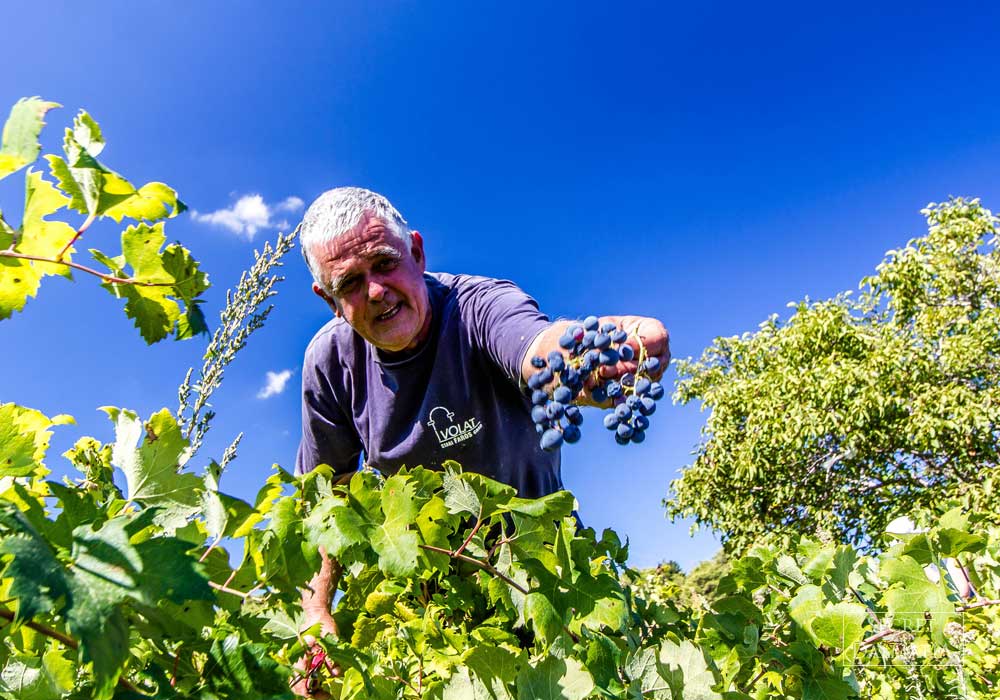
Croatia is a land of indigenous grapes—over 130 recognized varieties—many of which you won’t find growing anywhere else on Earth. These aren’t global travelers; they are rooted, fiercely local, and born to complement their home cuisine.
Let’s start with the basics:
- Pošip – crisp, coastal, citrus-driven. Think sea spray in a glass.
- Malvazija Istarska – elegant, floral, with just the right grip. A natural partner for truffles and cream.
- Plavac Mali – big, bold, sun-drenched red with notes of dried fig, black cherry, and Dalmatian defiance.
- Crljenak Kaštelanski – the original Zinfandel, now returned home, carrying stories from across the ocean.
- Frankovka – a brooding, spicy red from the interior. Earthy. Honest.
But wine doesn’t live in a vacuum. It thrives on the plate. So, let’s set the table—region by region.
Dalmatia: Where Sea and Sun Shape the Glass
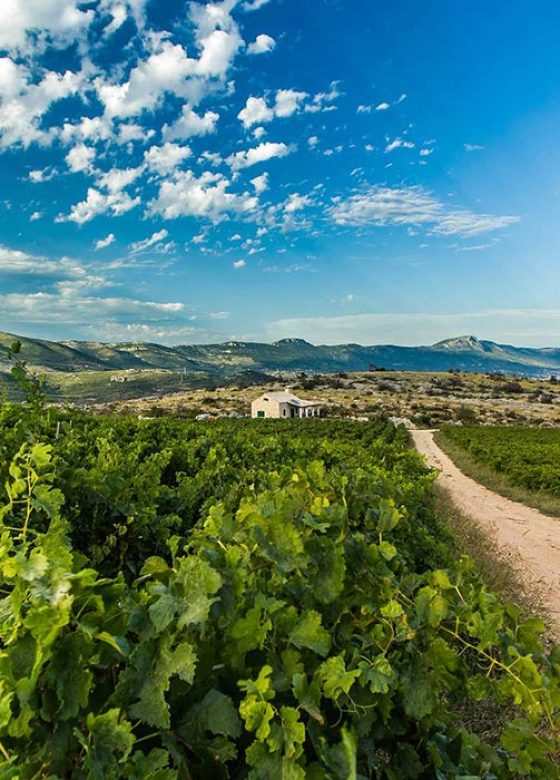
Along Croatia’s southern coast, the sea dictates the menu. Octopus, sardines, scampi. Salted anchovies with capers. Aromatic herbs like rosemary and bay. Lemon zest and olive oil. This is where wine and food are siblings, raised on the same rocky soil.
Pošip + Seafood
From Korčula and Hvar, Pošip is the darling of Dalmatia’s whites. It’s zippy and structured, with tropical notes and a stony finish. Ideal with grilled fish, but don’t overlook its ability to uplift an octopus salad or roasted white fish with potatoes and rosemary.
Plavac Mali + Pašticada
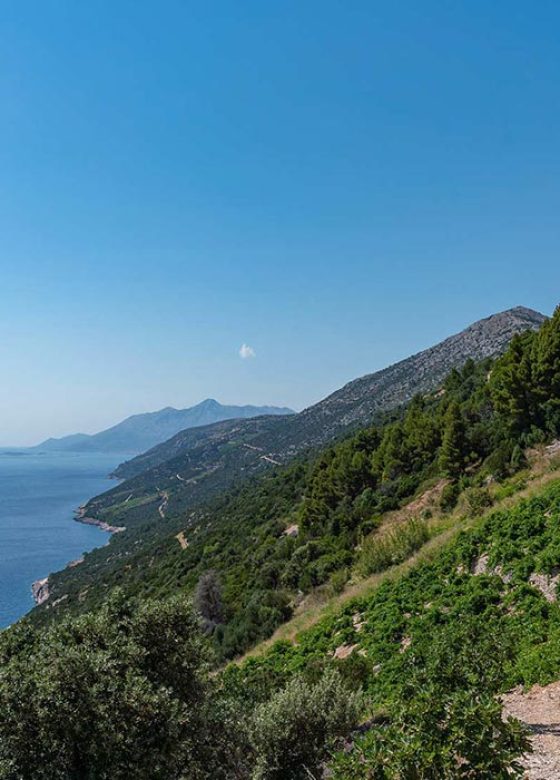
Few things are as quintessentially Dalmatian as pašticada—a slow-cooked beef stew with prunes, wine, and vinegar. It needs a wine with backbone. Plavac Mali, grown on the sun-drenched slopes of Dingač and Postup, delivers intensity with grace. Together, they’re pure Dalmatian soul on a Sunday afternoon.
Oysters + Red Wine?
It may sound sacrilegious, but hear us out. Oysters from Mali Ston—briny, mineral, and sweet—can actually sing alongside a young, chilled Plavac Mali. The tannins cut the salinity, the dark fruit adds contrast. Anthony Bourdain tried it. He got it.
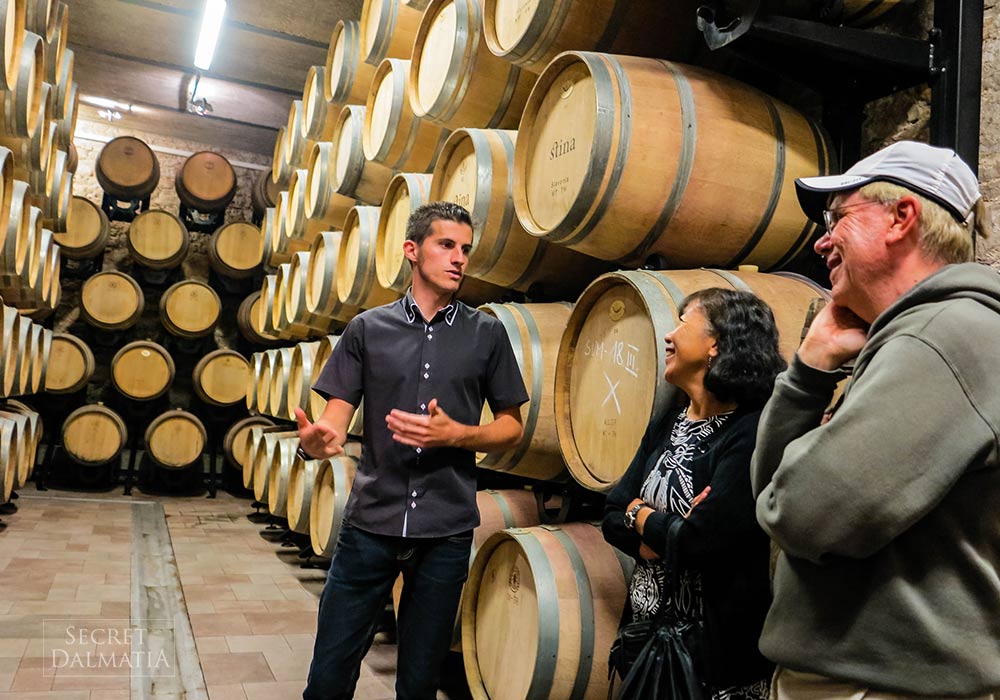
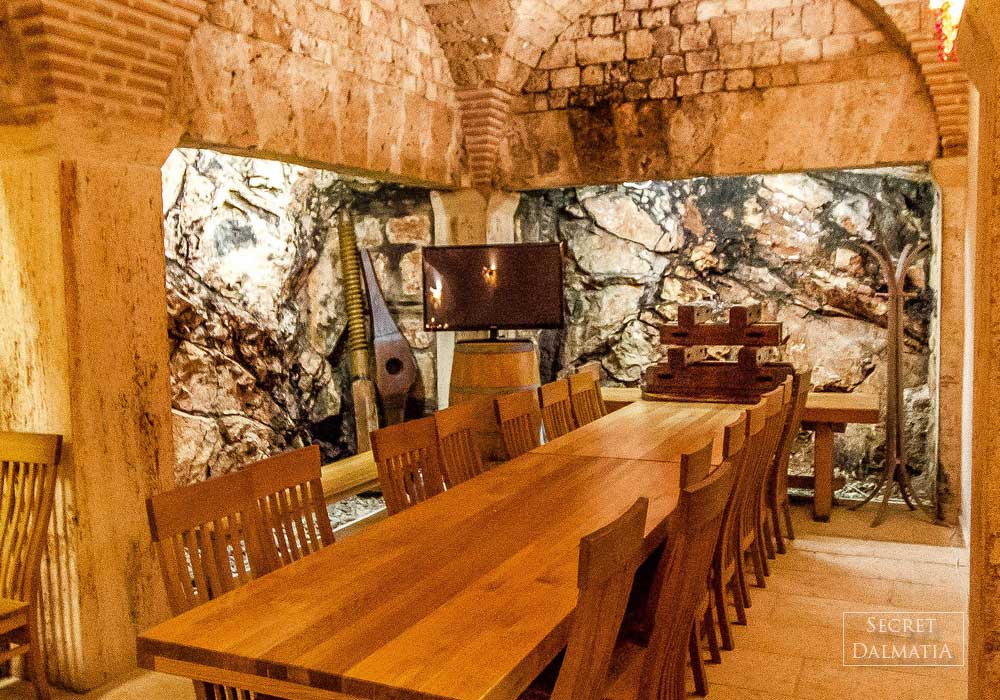
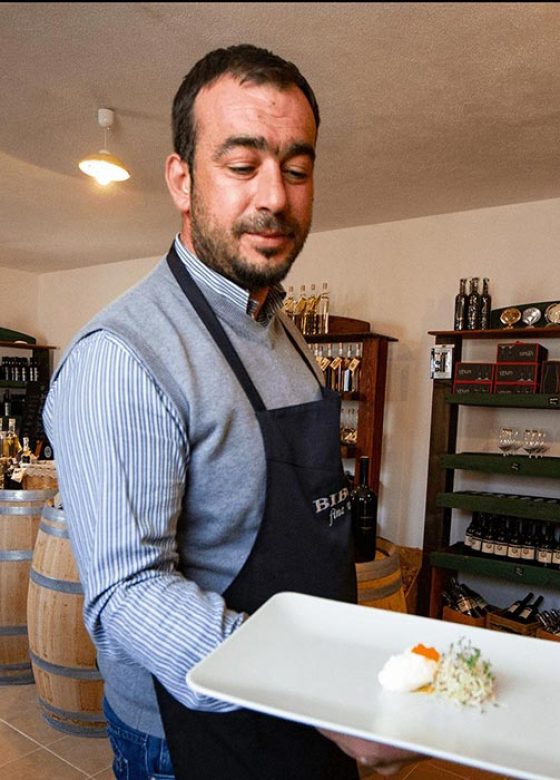
Want to take it further? Book a private Bibich Experience in Plastovo, where each dish—duck, veal, or wild herbs—is paired with wines so finely tuned, they might as well be singing harmony. It’s been described as Michelin-level. We just call it unforgettable.
Istria: Where the Earth Whispers Secrets
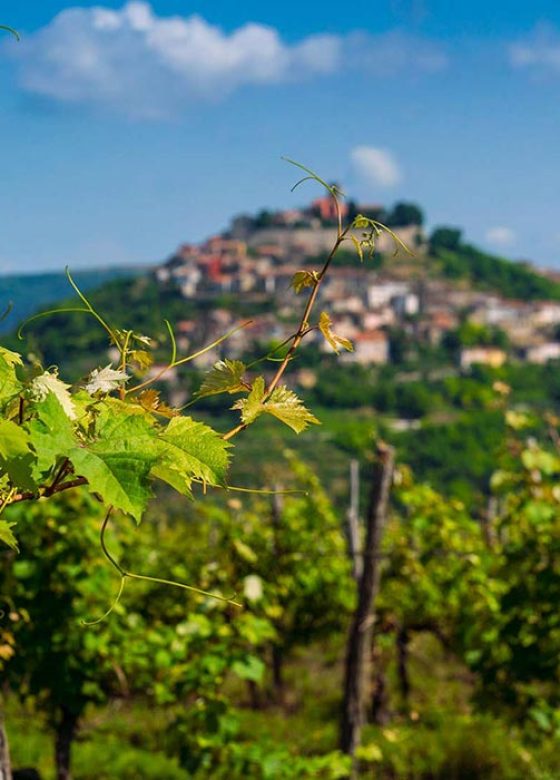
In Istria, you taste the forest. The undergrowth. The rain on limestone. It’s a land of truffles, wild asparagus, and buttery olive oil.
Malvazija + Truffles
Malvazija Istarska, the queen of Istrian whites, knows how to behave around luxury. With its floral nose and crisp backbone, it cuts beautifully through creamy truffle pasta. It doesn’t compete—it elevates. Add a few curls of black truffle, and you’ll swear you’re in Alba… until someone pours a rakija.
Teran + Pršut & Cheese
Teran is the dark horse of Istria. Sharp, earthy, full of life. With local pršut and a slice of sheep cheese, it becomes more than a wine—it becomes memory. Rustic. Honest. Perfect.
Slavonia & Inland Croatia: The Hearty Heartland
Head east and the landscape flattens. So do the wines—into broader, deeper reds that stand up to pork, goulash, and the kind of hearty stews you’ll find bubbling on every winter stove.
Frankovka + Goulash
Frankovka (Blaufränkisch) is the perfect foil for the region’s rich fare. Its acidity cuts fat. Its spice lifts the dish. Whether you’re feasting in a rustic cellar in Baranja or sharing a meal with a family in Ilok, Frankovka delivers warmth in every sip.
Graševina + Everything Else
Don’t underestimate Graševina (Welschriesling). With its citrusy freshness and subtle floral notes, it pairs effortlessly with roasted poultry, pork medallions, or even a Zagreb-style schnitzel. A quiet workhorse with surprising depth.
Crljenak Kaštelanski: Zinfandel’s Croatian Cousin
Before Zinfandel made its name in California, it was quietly growing in Dalmatia under the name Crljenak Kaštelanski. Now, it’s back in the spotlight—and rightfully so.
Crljenak + Dalmatian Heritage Cuisine
This red plays well with dishes that have a touch of sweetness—think lamb with roasted figs or grilled meats with pomegranate molasses. Its moderate tannins and juicy fruit make it a beautiful bridge between tradition and modern experimentation.
Specialized Zinfandel Homeland tours in Dalmatia offer a deep dive into this grape’s journey—from forgotten roots to global recognition. Paired with a five-course lunch and breathtaking views, it’s as much a lesson in history as it is in hedonism.
The Innovation: From Tradition to Technology
Today, Croatian food and wine pairings are evolving in fascinating ways. Chefs like Tatjana in Trogir and Renato in Zadar are pushing boundaries, pairing heritage recipes with modern expressions of indigenous grapes. AI pairing tools like WineGraph are helping sommeliers analyze flavor profiles on a molecular level. Tradition, meet technology. And they’re getting along just fine.
Experience It for Yourself
You don’t need to be a sommelier or a seasoned gourmand to understand why Croatian food and wine pairings work so beautifully. You just need to be there.
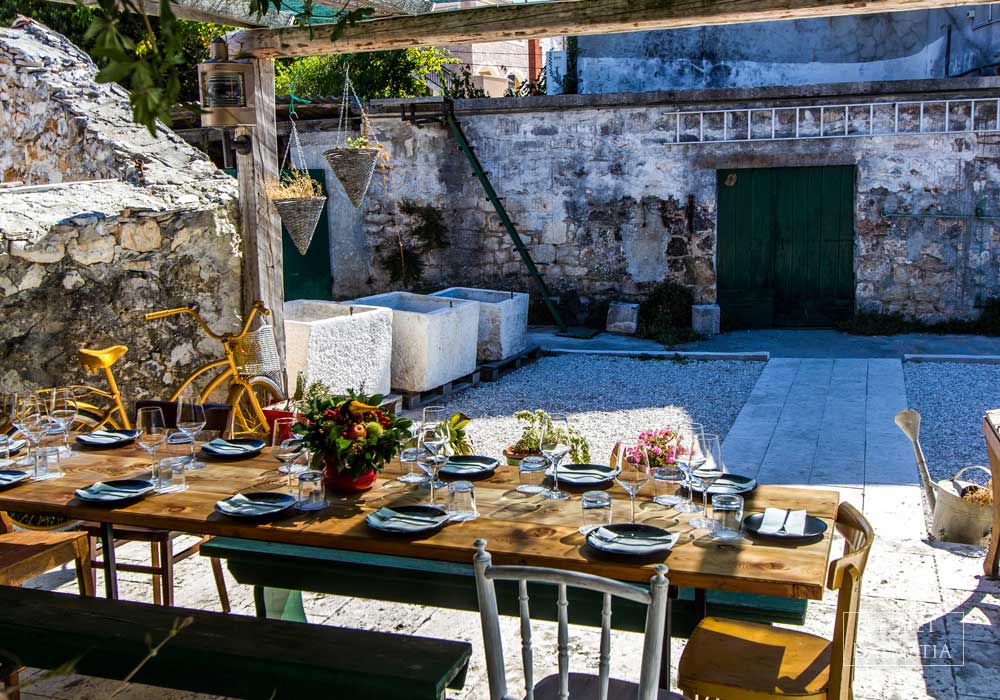
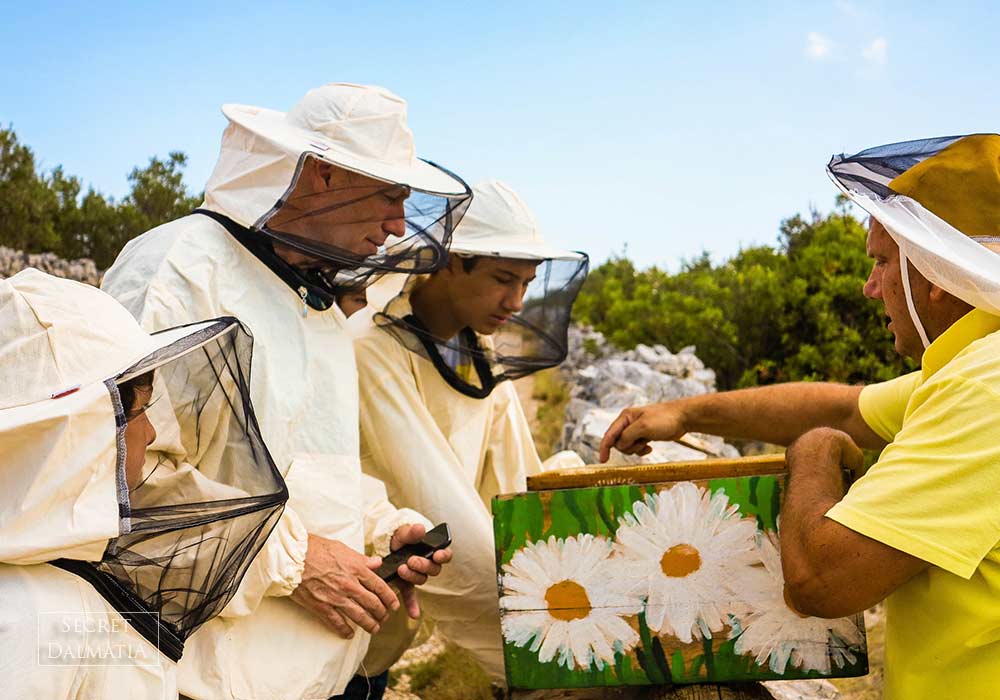
Cook pašticada with Chef Tatjana in her 13th-century home. Hunt for truffles in the Motovun forest. Shuck oysters straight from the sea in Mali Ston. Taste Dobričić while cycling through the vineyards of Šolta. Pick your herbs in the Dalmatian hinterland with Domagoj before grilling your lunch beneath the poplars.
Croatia isn’t just a place you visit. It’s a place you taste. And in the alchemy of its food and wine, you’ll find something rare: a story you don’t just read, but live.